Proč specifikovat kationtový polyester místo standardního polyesteru?
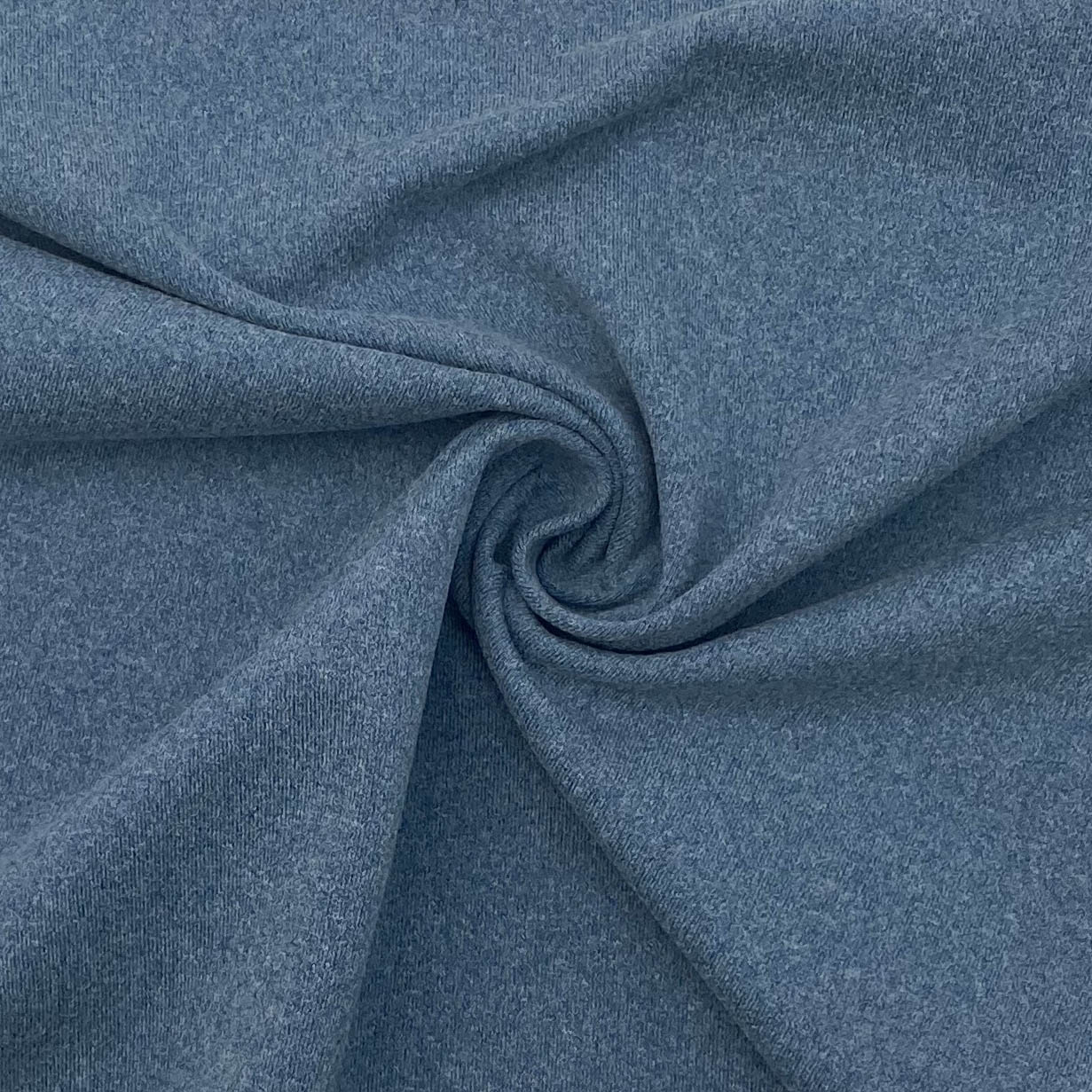
Kationtové polyester accepts dye at lower temperature and pressure and produces deeper shade depth on pastel and mid-tone colors. For lightsteelblue, the difference is visible in the richness of the shade and the reduced risk of a flat or washed-out appearance.
Jak by měl obsah 25 % elastanu ovlivnit zkoušky střihu oděvu?
Vysoký obsah elastanu znamená, že látka bude tělo spíše stlačovat, než aby se přes něj překrývala. Zkoušky vhodnosti by měly být prováděny na těle nebo na formách představujících cílového nositele, s důrazem na umístění švů a tlakové body. Třídění vzoru by mělo zohledňovat zotavovací sílu tkaniny.
Jaké odstínové variace lze očekávat mezi šaržemi?
Kationtové dyeing is sensitive to dyestuff selection and bath control. Retain a physical standard from the approved first lot and match subsequent lots against it under the intended lighting condition. Minor drift in pastel shades is possible and should be agreed before bulk commitment.
Ovlivňuje kationtové barvení stálost barev?
Kationtové dyeing produces good wash and light fastness when dyestuff selection and after-treatment are controlled. Confirm fastness results against your market requirements during sampling, particularly for swim and active programs where exposure to chlorine and sunlight is expected.
Je tato látka vhodná pro prostředí chlorových bazénů?
Elastan has limited resistance to prolonged chlorine exposure. For frequent pool use, chlorine-resistant elastane grades or alternative fiber bases should be evaluated. For occasional swim use, the fabric performs within normal expectations when rinsed after exposure.